

The Dangers of PFAS aka ‘Forever Chemicals’ in the Great Lakes
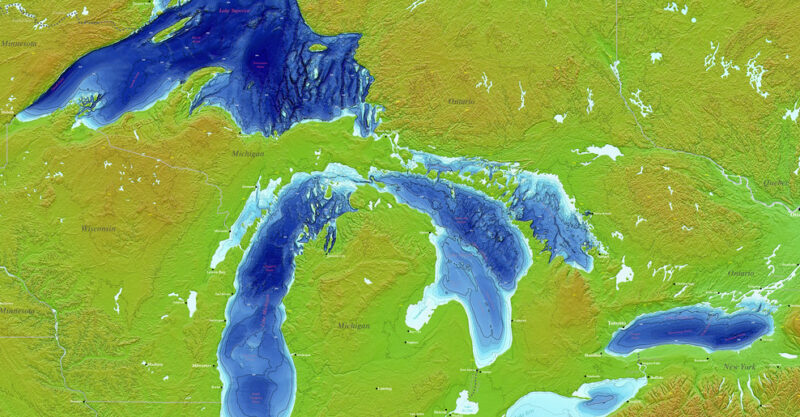
Water is essential to life. Those of us lucky enough to live in the Midwest have an abundance of fresh drinking water provided by the Great Lakes. That water is now threatened with high levels of PFAS, or “forever chemicals” according to environmental watchdog groups and scientists.
PFAS (per- and polyfluoroalkyl substances) are also called “forever chemicals” because they lack the ability to break down in nature – and in the human body. Research has shown that PFAS can lead to high blood pressure in certain women, immune suppression, liver damage, and more.
Where Do PFAS Come From?
PFAS can come from anywhere – land, sea, and sky. Companies who use these chemical compounds in their products dispose of waste, which leaches into our drinking water supply. Consumers purchase products that contain these chemicals and then throw them away, where they sit in a landfill never to degrade. Our farmers use tainted sewer sludge to spray fertilizer on crops which then contaminates the food we eat. PFAS are everywhere – in our food, our cosmetics, our clothing, and items we use everyday, such as non-stick cooking pans.
How Do I Limit Exposure to PFAS?
The biggest impact you can take to reduce your exposure is to limit the amount of processed foods you eat. PFAS are excellent repellents of oil, grease, and water which is what most processed foods are packaged in. Stick to organic foods as much as you can. Organic foods will reduce your exposure but it will not eliminate it. Also consider replacing plastic containers with glass, use reusable bags when shopping, and limit the amount of plastic toys you buy.